
Stop Mixing Personal and Business Money. Here's How to Separate It.

One personal purchase on a business card can be easy to explain. A few months of mixed purchases, subscriptions, and transfers can turn bookkeeping into a memory test.
If you're trying to separate personal and business finances, start with the next transaction. Then clean up the earlier activity in a clear order.
What should be separate?
Use a dedicated bank account for business activity and, where practical, a dedicated card for business purchases. Keep business records in a business filing system.
The aim is to make each transaction easier to identify, explain, and review. Separate accounts don't decide whether a purchase is a business expense. Its actual purpose still matters.
You can use the five-home system for business finances to give transactions, records, and questions a consistent place.
Step 1: Set a clean boundary going forward
Choose the account and card you'll use for business activity. Note the date the new habit starts.
Check:
subscriptions and automatic payments
saved cards in online checkout accounts
payment details customers use
transfers you make to and from personal accounts
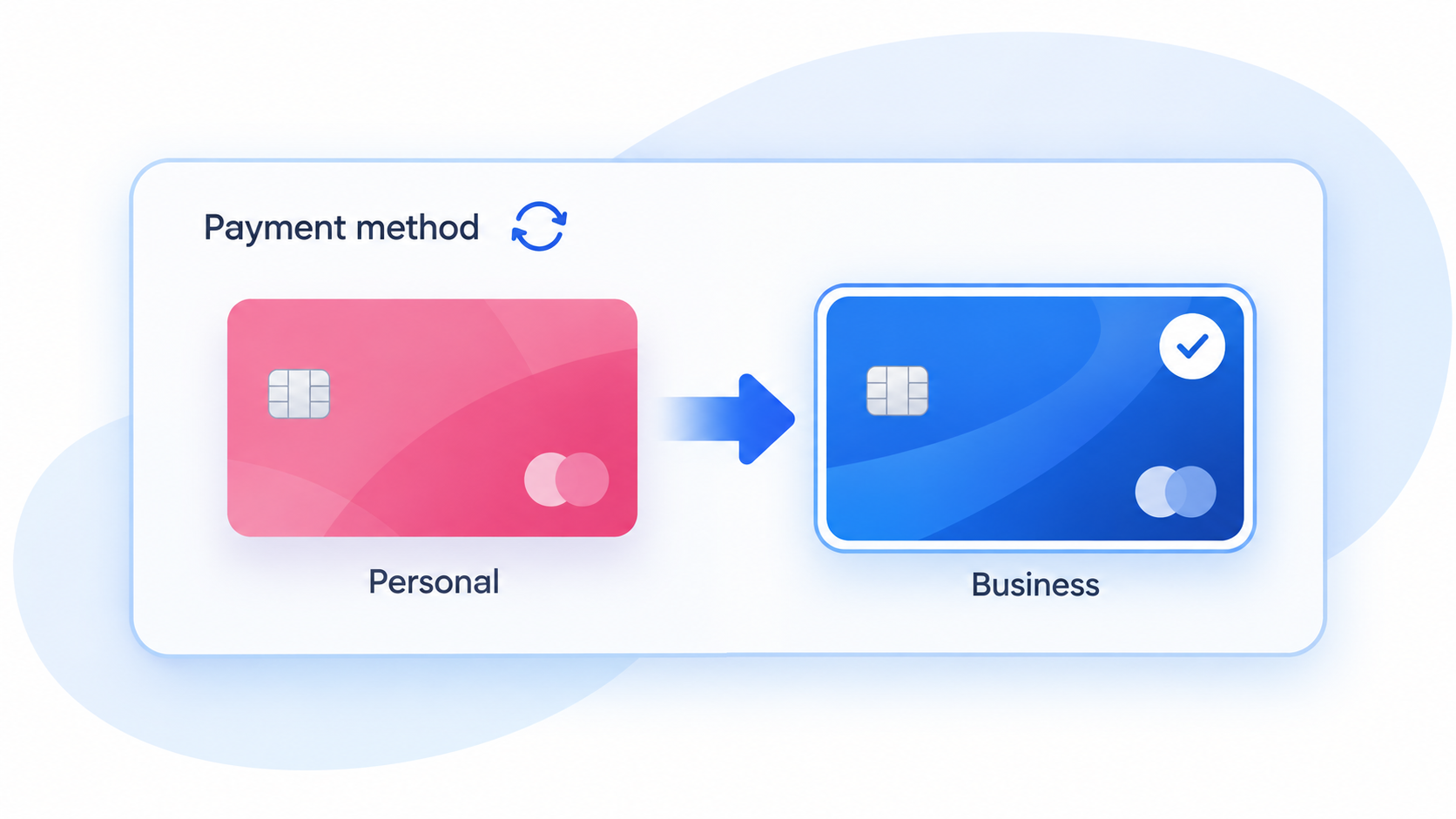
Update business purchases that are still charging a personal card, and personal purchases that are still charging a business card. Check that the next billing cycle uses the correct payment method.
Separate access helps too. Keep the personal card out of the business purchasing routine where you can.
Step 2: Gather the accounts and records involved
List each account that contains business activity for the period you're cleaning up.
Include relevant business purchases paid personally. You don't need to bring every personal transaction into the business books. You do need to capture the business activity accurately.
Download statements and collect receipts or invoices. Keep a list of missing records.
Start with one month and one account. A defined section is easier to finish than “fix all the mixed spending.”
Step 3: Review the purpose of each transaction
Use the receipt and what actually happened, not just the merchant name.
For each transaction, identify:
business purchase
personal purchase paid by the business
owner funding
money paid to the owner
reimbursement or documented loan activity
transfer between business accounts
unresolved question
These are review labels, not a substitute for the chart of accounts.
A personal charge in the business account must be accounted for, but it shouldn't automatically reduce business profit. A business expense paid personally must also be captured, with the appropriate offset for the payment arrangement.
Owner-related treatment depends on entity structure and the facts. Ask your bookkeeper or accountant about ambiguous withdrawals, reimbursements, payroll, or loans before applying one category to all of them.

Step 4: Connect purchases with repayments
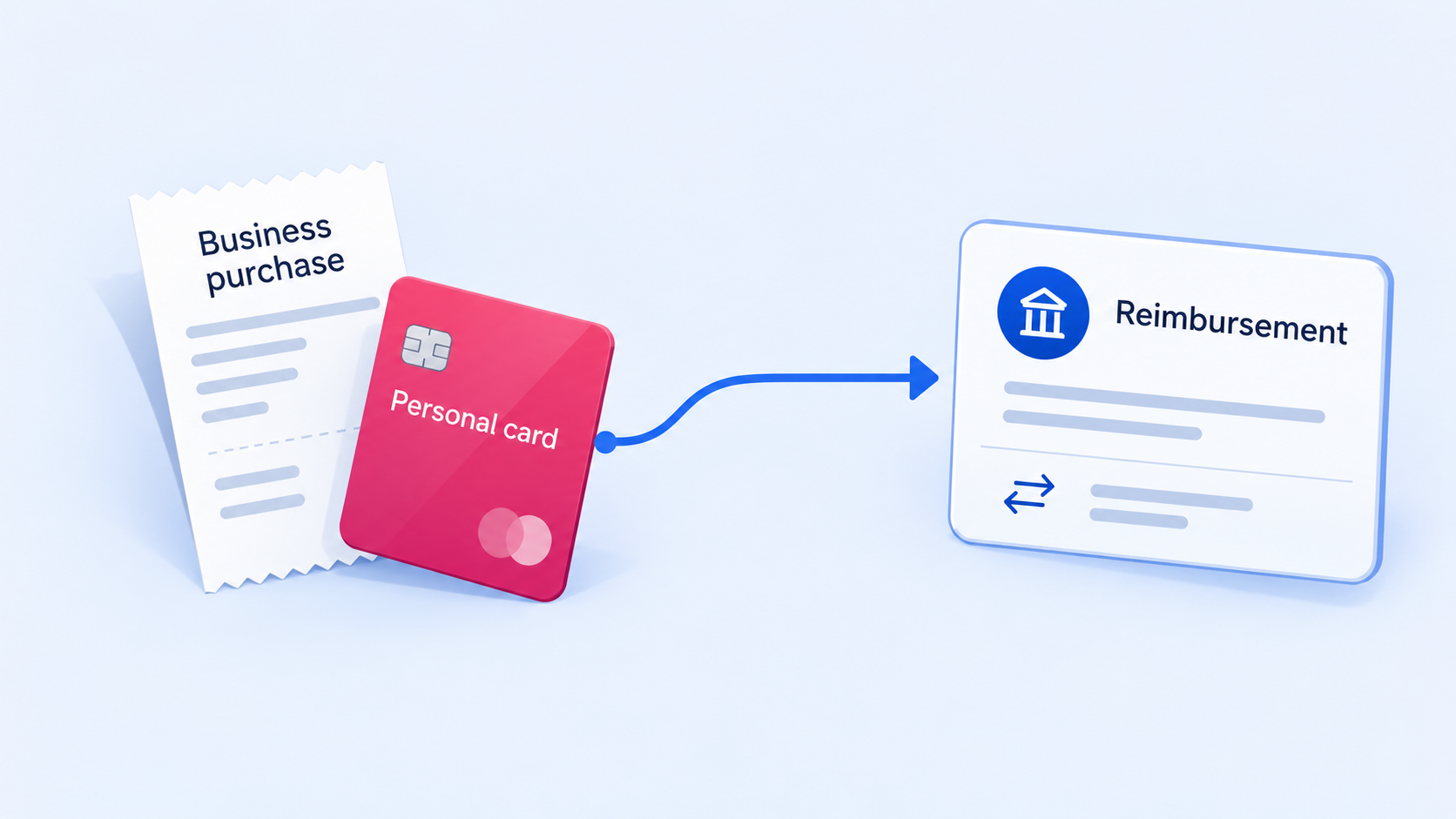
If you personally paid a business cost and the business later paid you back, connect those two events.
Check whether the original expense was already recorded. The repayment shouldn't create a second expense for the same purchase.
For a transfer between two business accounts, match both sides. For money between you and the business, explain why it moved.
A bank balance can rise without additional earnings. Understanding the difference between bank balance and profit helps you spot that distinction while reviewing deposits.
Step 5: Reconcile and keep open questions visible
After the transaction review, reconcile each business account to its statement. Confirm that corrected entries still match the actual activity.
A reconciled account can still contain a categorization mistake, so reconciliation and purpose review serve different jobs.
Keep questions specific: account, date, amount, what you need to know, and who can answer. Don't hide them in a vague miscellaneous category.
If a closed period or filed return may be affected, ask the professional responsible before changing it.
Step 6: Keep the separation working
Use a weekly bookkeeping checklist to catch wrong-card purchases and unexplained transfers early.
Once a month, check automatic payments and review the owner-related accounts with the rest of the books.
The occasional mistake is easier to handle when it has a date, a receipt, and an explanation.
Frequently asked questions
-
It can happen. Keep the supporting record and capture the business purchase once. How the payment or reimbursement is recorded depends on your business structure and the arrangement.
-
No. The purchase's purpose matters. A personal charge still needs appropriate treatment in the business records.
-
Not if it actually moved money through a business account included in the books. Explain and record it appropriately so the books still account for the real activity.
-
Start with the period you're responsible for bringing current. Ask your bookkeeper or accountant before altering closed periods or records used for filed returns.
A practical place to start
Use the free Mixed Money Cleanup Checklist to set a new boundary, work through one account, and track unresolved questions.
Subscribe free to Own Your Bookkeeping to receive the current 1-page tool and a new one each week.
Get the next post in your inbox.
When a new post goes up, you'll get an email with the link. Nothing else.
Something went wrong. Please try again.
No spam. Unsubscribe anytime.
You're in!
You'll get new Own Your Bookkeeping posts and updates in your inbox.